




FAQ that never were asked, 3/3: How everything works
A lot of what we do here is self-explanatory, but some things are not. For example, comments are permanently closed not due to inflammatory comments, but to direct conversation to … Continued
Trump`s first month through the eyes of political cartoonists
FAQ that never were asked, 3/3: How everything works
A lot of what we do here is self-explanatory, but some things are not. For example, comments are permanently closed not due to inflammatory comments, but to direct conversation to … Continued
REPORT: Media self-regulation has a long way to go
Institutions of media self-regulation are typically lacking, a new report from the Ethical Journalism Network (EJN) reveals. The 16-country comparison details regulatory systems from all parts of the world, bar … Continued
ARTICLE: American WW 1 volunteers used for French propaganda
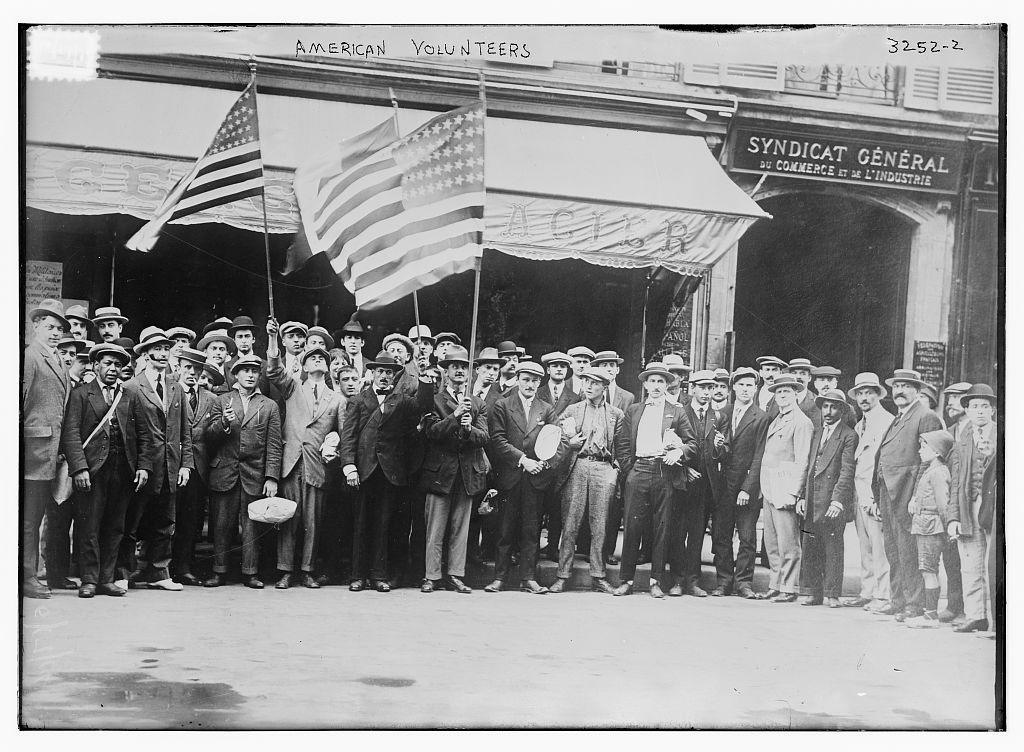
Americans, who volunteered to fight for the French in the First World War were used by French press for propaganda purposes, writes Ross Collins, of North Dakota State University. The … Continued
FAQ that never were asked, 2/3: What we do and how
Basically, we write and publish news regarding European journalism research. Our service is free, and strives to steer clear of any unabashed advocacy. Within the limits of our scope and … Continued
ARTICLE: Same “crisis” in different media environments
A transnational discourse of newspapers’ crisis has emerged in countries with different situations, write Michael Brüggemann, of University of Hamburg, Edda Humprecht and Frank Esser, both of University of Zürich, … Continued
ARTICLE: Merchant sailors vilified in Spanish press
Sailors working on commercial seafaring vessels are displayed in negative light by Spanish press, write Javier Sánchez-Beaskoetxea and Cesar Coca García, both of University of the Basque Country. They studied … Continued
FAQ that never were asked, 1/3: For what does JRN exist?
Research is not what it used to be, in many respects. Long gone are the days of yore, when a man of letters was hard pressed to find a kindred … Continued
ARTICLE: South Korean news promote plastic surgery
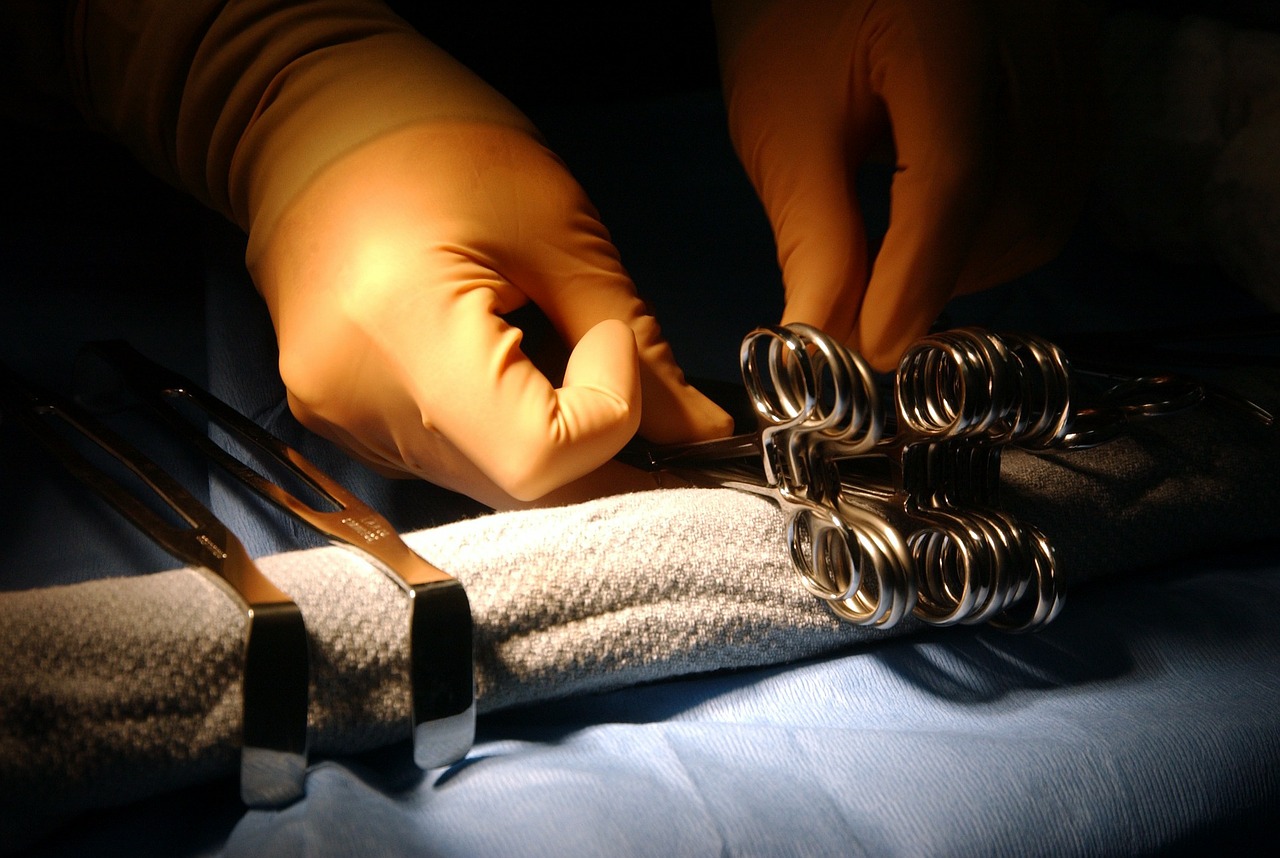
News stories in South Korean news stories are turning into plastic surgery advertorials, writes Miri Moon, of Brunel University London. Moon analysed the frequency and tone of plastic surgery related … Continued
ARTICLE: Loss of job harder on managers than journalists
Journalists suffer fluctuations in their mental health after being laid off, write Petteri Raito and Eero Lahelma, both of University of Helsinki. The authors compared the experiences of Finnish journalists … Continued
The role of news is increasing in Facebook shares
News stories are getting more and more shares on Facebook, writes Liam Corcoran, of the analytics company Newswhip. The company tracks the distribution patterns of different content in social media … Continued
BOOK: Danish journalists anticipate Muslim terrorists
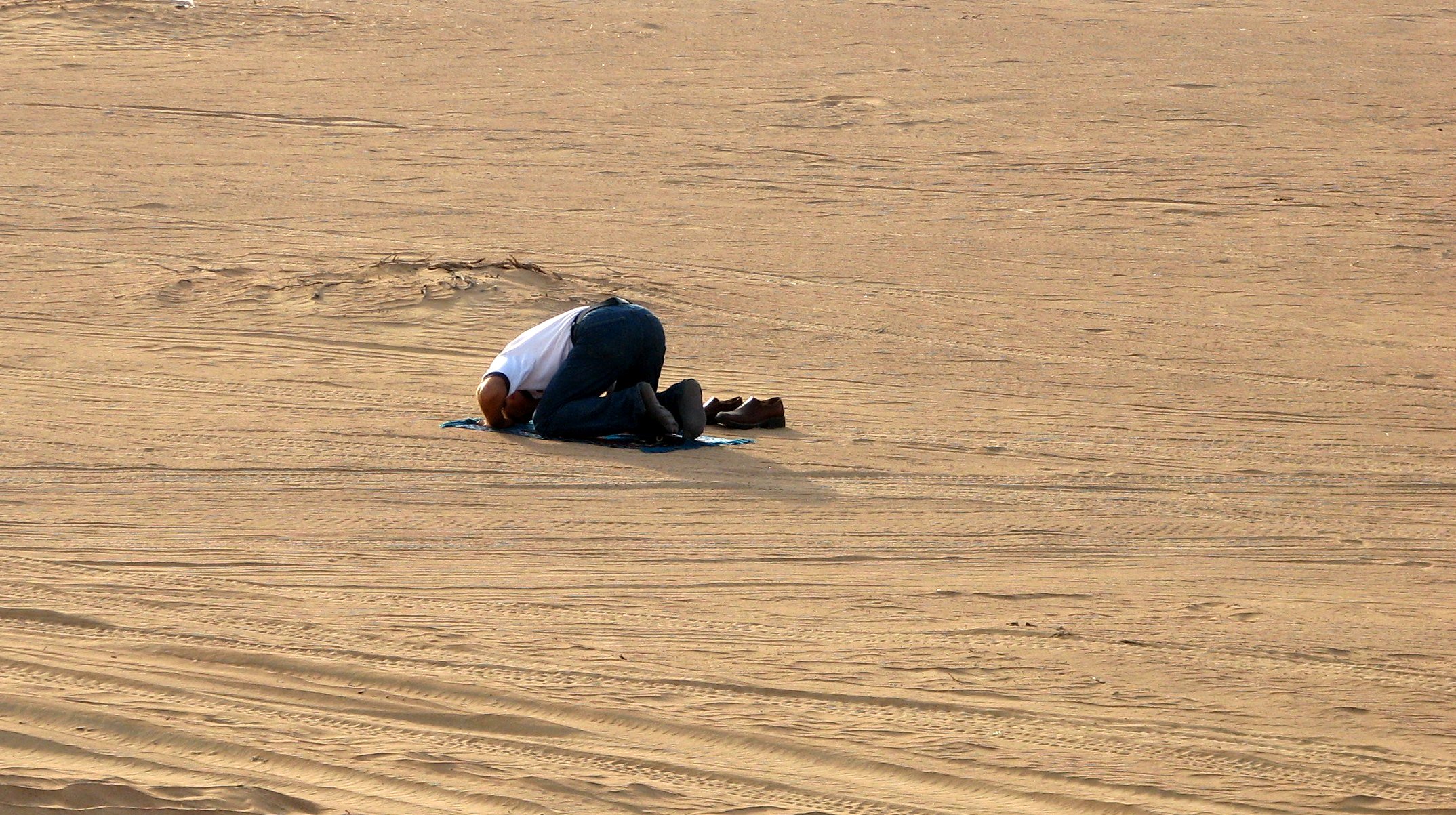
Danish journalists anticipate terrorism to be Islamist in nature, writes Asta Smedegaard Nielsen, of University of Copenhagen. Nielsen studied the media reactions, and interviewed journalists in relation to the 2011 … Continued
ARTICLE: Faces of victims and killers alike get forgotten
People usually don’t recognize the faces of murder victims, even if the case was widely publicised, write Michael Brookes, David Wilson, Elizabeth Yardley, Mohammed Rahman, Sophie Rowe, all of Birmingham … Continued
REPORT: Talking about science and badgers
The news stories surrounding a controversial badger cull made use of only a small circle of select scientists, writes Reuters Institute for the Study of Journalism (RISJ) fellow and BBC … Continued
ARTICLE: Different media, different practices
Differences in news making practices of Israeli media have been sketched out by Zvi Reich, of Ben Gurion University of the Negev. Reich conducted interviews with 108 journalists from Israeli … Continued
REPORT: Journalism among most coveted jobs in the UK
Journalism is the 6. most desirable occupation in the UK, a new YouGov poll finds. While majority of Brits (53 %) would not like to do journalism for a living, … Continued
ARTICLE: Irish news on credit rating drops uncritical
When reporting the nations credit rate downgrading Irish print media adopted a discourse compliant to the status quo, writes Anthony Cawley, of Liverpool Hope University. Cawley studied news reports about … Continued
ARTICLE: Journalists stood up, now sit back down
The change in newsmaking technology reflects in the role of the reporter, writes Johan Jarlbrink, of Umeå University. He studied historical representations of newswork in Swedish newspapers, starting from late … Continued
Mapping of right-wing media critique about to launch
A new research project on the media critique presented by right-wing populists is in the making. Kristoffer Holt, of Linnaeus University, presented the results of a pilot study in the … Continued
ARTICLE: MEP’s appear on national news for national reasons
Members of the European Parliament have news value in national papers mostly because of local reasons, write Katjana Gattermann, of Amsterdam Centre for Contemporary European Studies, and Sofia Vasilopoulou, of … Continued
ARTICLE: Participatory journalism in low demand
The Swedish audience has only modest interest in participatory journalism, write Michael Karlsson, Christer Clerwall, Karin Fast, all of Karlstadt University, and Annika Bergström, of University of Gothenburg (names not … Continued
REPORT: Czech politicians are unhappy with journalism
Czech politicians are highly dissatisfied with the country’s national journalism, writes Roman Hájek, of Charles University in Prague. Hájek lead a survey of Czech parliament members in order to gauge … Continued
CFP: Time of crisis, between old and new media
The 4th International Crisis Communication Conference in Helsingborg, Sweden, is now looking for submissions. The event focuses on four “intersections” distinguishable in crisis communication. One of these sub-themes is the … Continued
CFP: How Middle East is constructed through media
A conference celebrating the 50th anniversary of Ankara University’s Faculty of Communication is accepting submissions. The conference, titled “‘Constructing’ Middle East: Media, Ideology and Culture” will be held in Ankara, … Continued
ARTICLE: Teaching critical reflection to future journalists
Critical reflection is best taught through practice, writes Morten Kronstad, of University of Bergen. Kronstad based his findings on the interviews and observations of Norwegian, tertiary level journalism students. At … Continued
ARTICLE: Narrative news easier for uninformed youth
News stories constructed to a narrative format are easier for young people to comprehend, write Katharina Emde, Christoph Klimmt and Daniela Schlütz, all of Hanover University of Music, Drama and … Continued
ARTICLE: Nuclear proliferation in press, and in politics
The way United Nations Security Council (UNSC) describes political events relating to the spreading of nuclear weapons technology is quite different from how up-market newspapers put things. Malcolm MacDonald, Alexandra … Continued
PAPER: European media is political by default
On a political parallellism scale from 0 to 20, media companies in five large European countries land between 9 and 14, writes Reuters Institute for the Study of Journalism (RISJ) … Continued
ARTICLE: Journalists see media self-regulation lacking
A cross-country survey of European journalists reveal most of them find current self-regulating measures only moderately effective, writes Susanne Fengler, of TU Dortmund University. The results come from a twelve-country … Continued
ARTICLE: Soccer news symptomatic of Israeli identity
The ways how Israeli press has written about the country’s national soccer team has changed over the years. These changes are largely the result of changes in Israeli national identity … Continued
CFP: Political communication shaping Europe
A conference by European Communication Research and Education Association (ECREA) on political communication is awaiting proposals. The overarching theme of the conference is “Changing political communication, changing Europe?”. The event … Continued