





ARTICLE: Tweets as the “people’s voice”
The use of Twitter messages as representatives of the popular opinion is both commonplace and problematic, write Kathleen Beckers and Raymond A. Harder, both of University of Antwerp. The authors … Continued

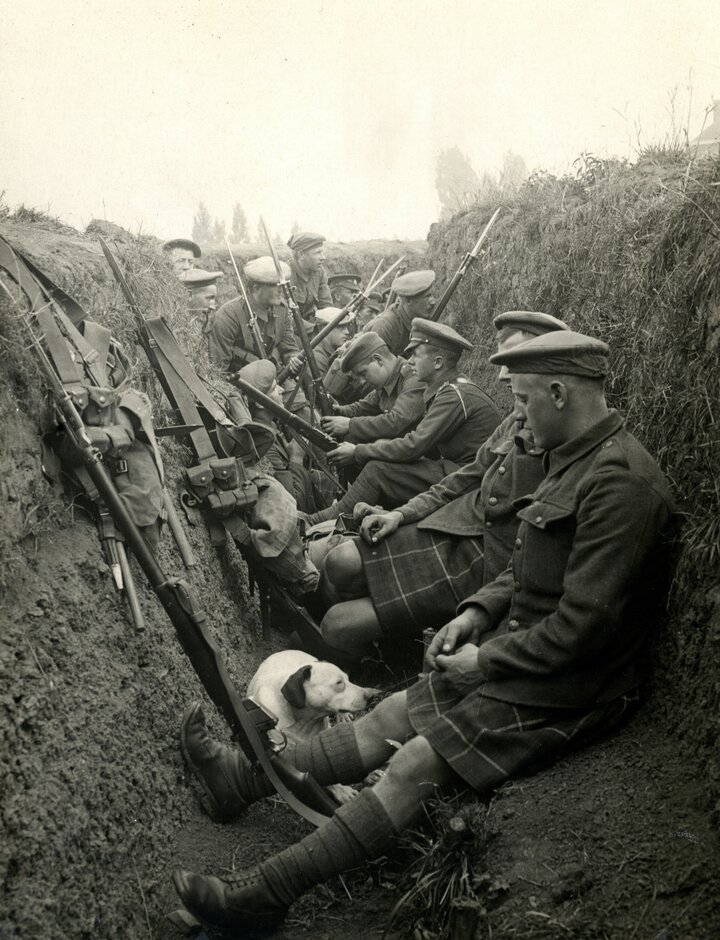
Reading, writing, rumour: press readership and the making of war knowledge in Australia 1914–1918
ARTICLE: Tweets as the “people’s voice”
The use of Twitter messages as representatives of the popular opinion is both commonplace and problematic, write Kathleen Beckers and Raymond A. Harder, both of University of Antwerp. The authors … Continued
CFP: Ethics and responsibility in journalism
The fourth Understanding Transition conference, this time themed “Ways and Challenges to Responsibility”, is now open to abstract submissions. The event itself will take place on the 2nd and 3rd … Continued

REPORT: UK journalists disproportionately white men
Most (94 per cent) of UK journalists are white, while the proportion of ethnic minorities in the country’s population would warrant for higher representation, a recent study reveals. 700 British … Continued
CFP: Migration and migrants in the media
Prague Media Point Conference, subtitled this year as “Media and Migration”, is now accepting paper abstracts. This year the event serves also as a preconference to the European Communication Research … Continued

ARTICLE: Twitter breaks most cross-media news
Out of all news stories that spread to different media, more originate from Twitter than any other medium, write Raymond A. Harder, Steve Paulussen and Peter Van Aelst, all of … Continued

ARTICLE: Journalists struggle against framing
Framing as a part and parcel of the journalistic process is an uncomfortable thought to journalists, write Jan Boesman and Baldwin Van Gorp, both of KU Leuven. The authors conducted … Continued

ARTICLE: Comments make journalism look bad
The presence of online user comments deteriorates the journalism’s perceived quality, write Fabian Prochazka, Patrick Weber and Wolfgang Schweiger, all of University of Hohenheim. The authors conducted an online experiment … Continued

ARTICLE: Female reporters shape shifting in conflict zones
Women have been reporting on war since the modern definition of the war correspondent came into existence but sexism and gendered practices still exist in the field. Female war reporters use strategy … Continued

ARTICLE: Social network analysis offers new opportunities for research
Media organizations, media content, and audiences are increasingly connected through a variety of media networks, writes J. Sophia Fu. Online news articles have hyperlinks to link to other content and news organizations … Continued

REPORT: Most Brits would turn off ad blockers
Over half of UK residents who use ad blocking software are willing to disable the software, if it was necessary to view the content, a recent study shows. The trade … Continued
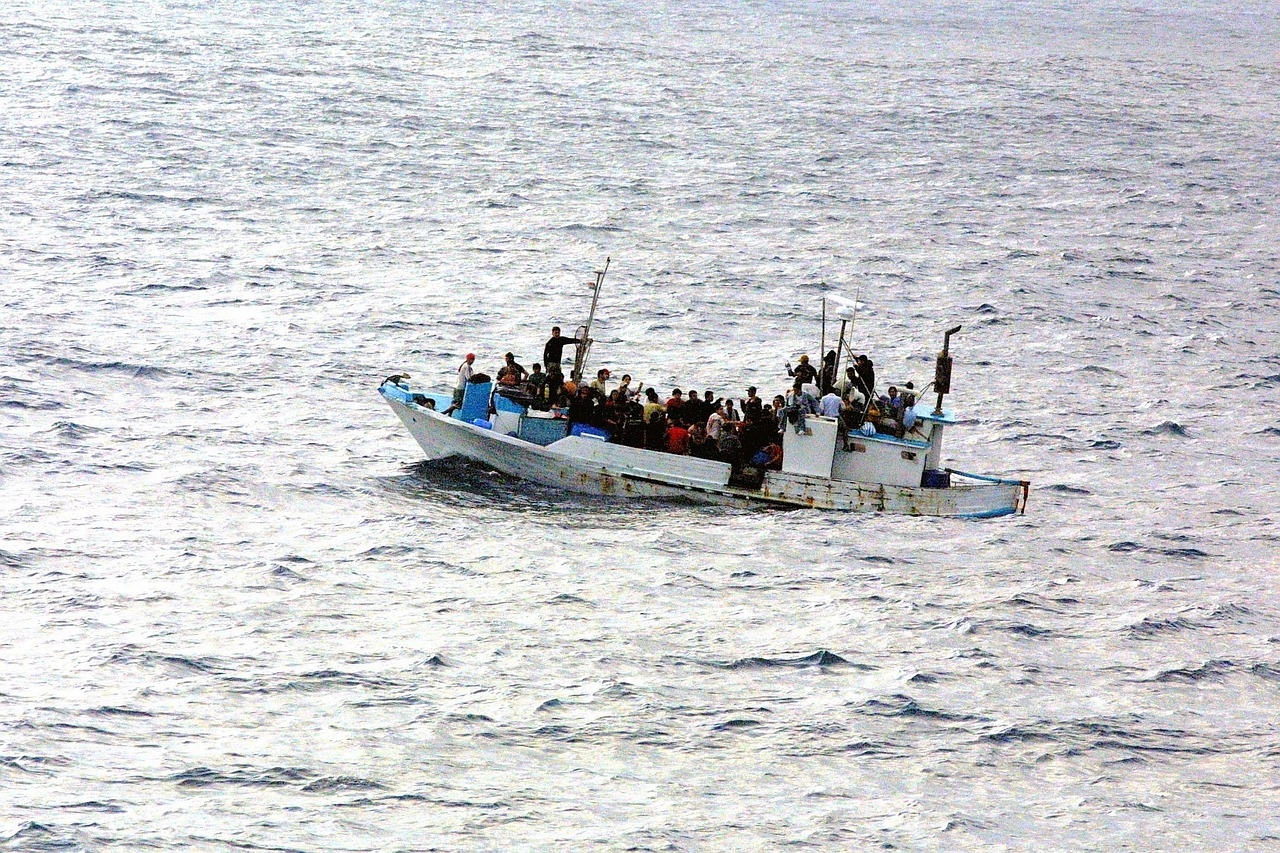
ARTICLE: Spanish newspapers distance immigrants
Spanish newspapers depict immigrants from afar, write Miguel Franquet Santos Silva and Ana Beriain Bañares, both of University Abat Oliba Barcelona, and Elena Real Rodríguez and María del Mar López … Continued

ARTICLE: News increase the fear of juvenile criminals
Both elite and popular newspapers, along with news blogs, fuel the exaggerated fear of juvenile delinquents, write Nel Ruigrok, of Erasmus University Rotterdam; Wouter van Atteveldt, of VU University Amsterdam; … Continued

BOOK: Bad news on economy, more investments?
Unlike usually thought, bad economic news don’t necessarily decrease public spending and private investments and purchases, writes Juliane Lischka, of University of Zurich. The author studied the content of German … Continued

ARTICLE: Data journalism in UK newsrooms
Modern society has witnessed the advent of an age of data superabundance, writes Eddy Borges-Rey. The newly published study looks at how data journalism operates within the news cycle of professional … Continued
CFP: Journalism, diaspora and conflict
Editors Ola Ogunyemi and Sanem Sahin are calling for book chapters for a book called Journalism, Diaspora and Conflict. The migrant crisis in Europe and in other parts of the … Continued

REPORT: UK media most aggressive in reporting refugee crisis
Newly published report by researchers of Cardiff University’s Journalism School explores the press coverage of refugee and migrant crisis in different European countries. Researchers analysed thousands of articles written in 2014 and … Continued
New issue of Journalism & Mass Communication Quarterly is published
March issue of Journalism & Mass Communication Quarterly issue is out now. In addition to editorial essay and invited essay it includes booknotes, book reviews and articles about diverse themes such as interactivity … Continued

ARTICLE: Comments have little effect on news evaluation
Reading user comments to online news stories does not significantly affect the readers’ evaluations of the story, write Nili Steinfeld and Azi Lev-On, both of Ariel University, and Tal Samuel-Azran, … Continued

ARTICLE: Not all journalists are conmen
The subjects of news stories rarely feel betrayed by the journalists who interviewed them, writes Ruth Palmer, of IE University. The author interviewed 83 people who had been the subjects … Continued

ARTICLE: Mafia turns into a business in Italian press
Since 2009 Italian press has adopted a narrative in which organized crime is pictured as a business, write Anna di Ronco, of Ghent University and Anita Lavorgna, of University of … Continued
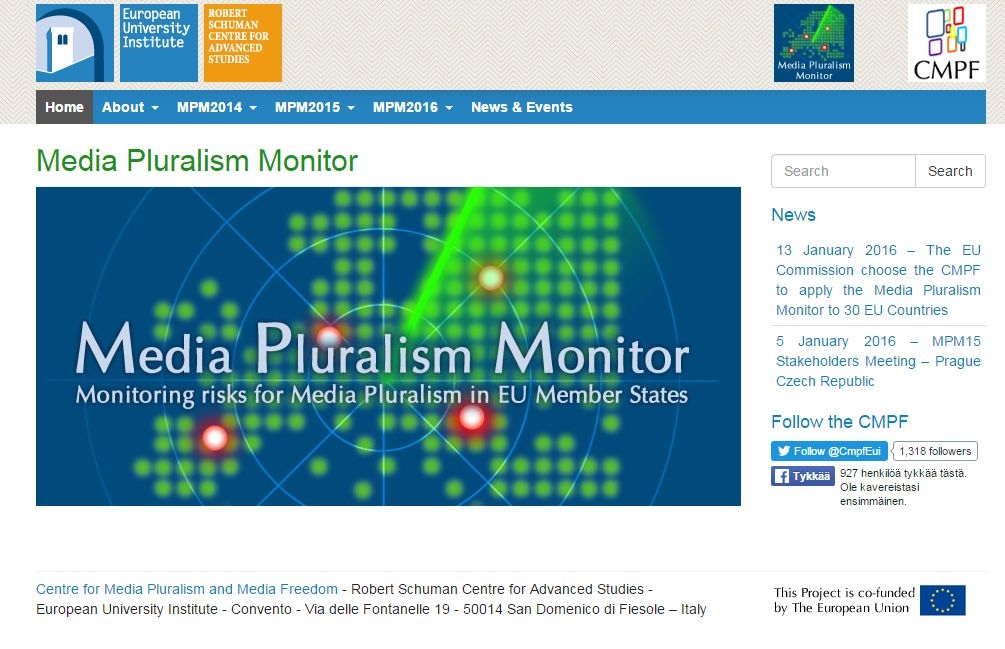
EU-wide media pluralism study launched
The risks to media pluralism in each EU country will be gauged this year. The resident staff of and collaborators to the Media Pluralism Monitor (MPM) 2016 met to kick … Continued
ARTICLE: The audience expects little of local journalism
The audience does not expect journalism to meet the ideals described by its consumers, write Scott Eldridge II and John Steel, both of University of Sheffield. The authors sent questionnaires … Continued
ARTICLE: Audience not interested in offered news
Social media users interact less with the kind of news that are most offered by newspapers’ social media managers, writes Anders Olof Larsson of Westerdals Oslo School of Arts. Larsson … Continued
CFP: Constructing constructive journalism
The conference Constructed|Constructive Journalism is now open for submission proposals. The event itself will take place at Brussels, Belgium on the 8th and 9th of December 2016. The conference is … Continued

ARTICLE: Three ways to look at a protest
Different news outlets cover protests via different levels of dismissal, write Robin Reul, Steve Paulussen, Daniëlle Raeijmaekers, Laurens van der Steen and Pieter Maeseele, all of University of Antwerp. The … Continued
CFP: Freedom of information in conflict
A two-day workshop titled “Freedom of Information in Crisis Zones” is looking for paper proposals. The event will take place at London, UK, on the 26th and 27th of May … Continued

New issue of British Journalism Review is published
British Journalism Review has published its March issue. The magazine includes an intriguing collection of journalism related papers, articles and book reviews. Take a look for example these texts: Daniel … Continued

ARTICLE: Framing of Mo Farah in the British press
This article critically examines how representations of athlete Mohamed ‘Mo’ Farah during the 2012 London Olympic Games were related to discourses on British multiculturalism. By examining how different processes were managed and … Continued

ARTICLE: Professional standards of journalists in exile
706 journalists facing violence, imprisonment and harassment have gone into exile worldwide between 2000 and 2011. Most of them have not been able to return home. Conor O’Loughlin and Pytrik Schafraad aim to … Continued

ARTICLE: “Dirty” TV news are harder to follow
Television news that present a lot of on-screen visual elements are harder to remember correctly, write Rui Rodrigues, of Instituto Superior Miguel Torga, and Ana Veloso and Óscar Mealha, both … Continued